
Inherited a House in DC? Don't Change the Deed Until You Watch This
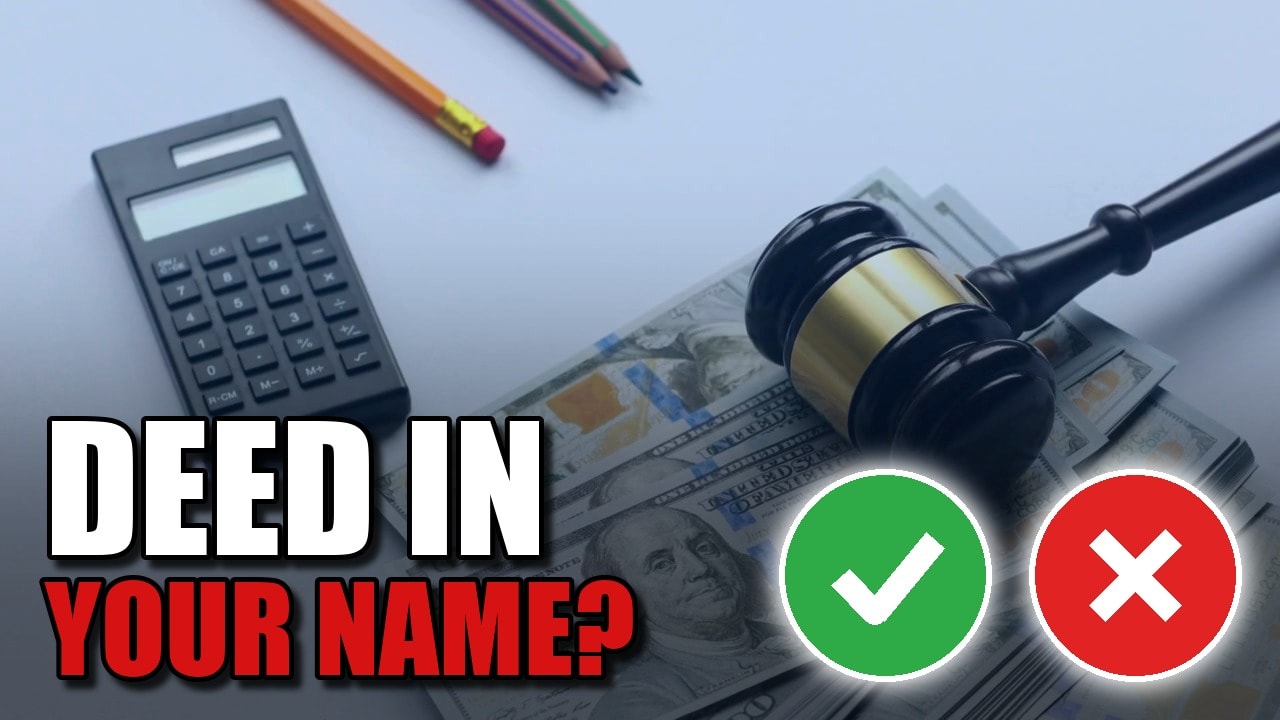
If you've been named the personal representative of an estate in Washington, DC, one of the first questions you'll probably ask is: "Do I need to put the deed in my name before I can sell the house?"
It's one of the most common questions I get, and it trips a lot of people up. It feels like the logical first step. But for most probate sales, switching the deed first isn't required, and doing it too early can add extra paperwork, extra cost, and extra time to your estate sale.
Why the deed usually stays where it is
During probate, the property belongs to the estate, not to you personally. Once the DC Superior Court issues your letters of administration, you have the legal authority to act for the estate: hire a realtor, sign the listing agreement, accept an offer, and close the sale. The deed can go straight from the estate to the buyer.
When switching the deed can make sense
There are a couple of situations where putting the property in your name is the right move, for example if you're the only heir and you plan to keep the home, or if you need to refinance or borrow against it. In the video I walk through both, and why they're the exception rather than the rule.
In the video, I cover:
Why the estate, not you, owns the property during probate
What your letters of administration let you do as a personal representative
The two situations where changing the deed actually makes sense
Why switching the deed before a sale usually just slows things down
How to keep your probate home sale moving
Watch the full video and get clear on your next step before you file anything.
✅ Bottom line: If you're selling an inherited house in DC, you usually don't need the deed in your name first. Your letters of administration give you the authority to sell. Talk to a probate real estate specialist before you change anything, so you don't add steps your sale doesn't need.
Have questions about selling a probate property in DC? Schedule a call with our team.
Related: Probate Bonds Explained: Do You Really Need One in Washington, DC?
Disclaimer: This post is for informational purposes only and is not legal advice. For advice on your specific situation, consult a licensed attorney.