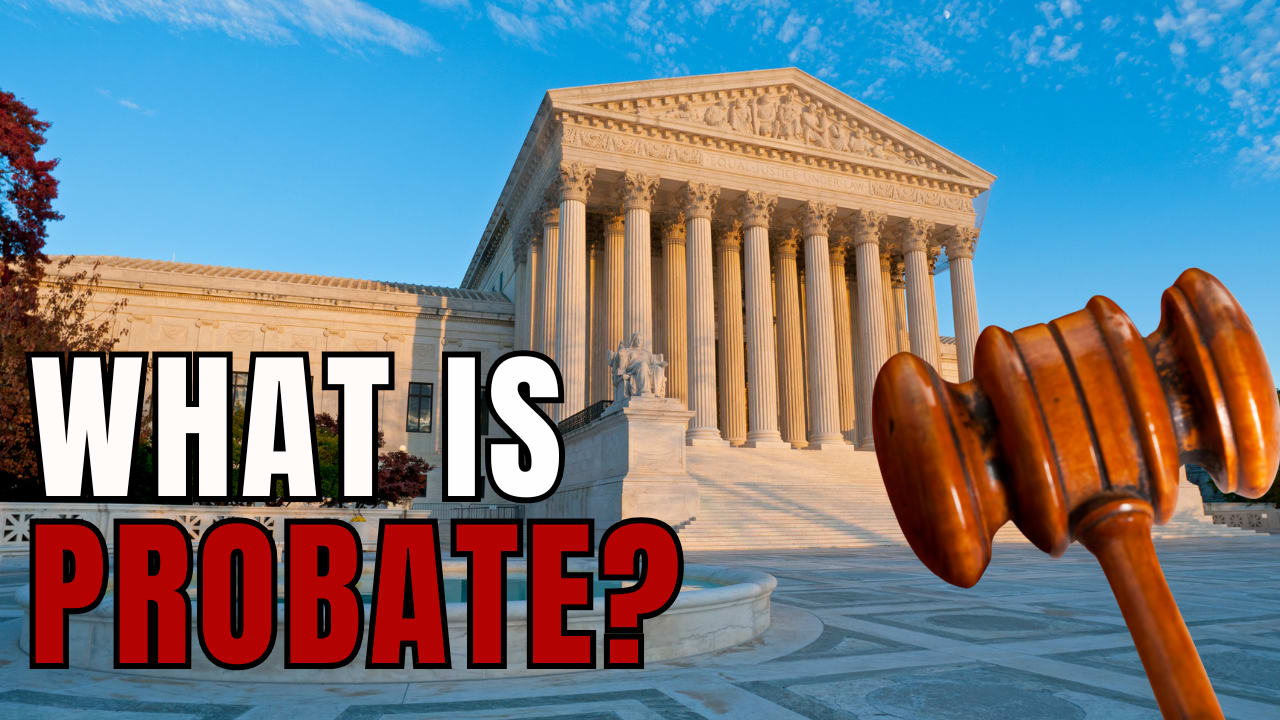

Opening a Probate Estate in Washington, DC: What You Need to Know
If someone passes away while living in Washington, DC, their estate may need to go through the Probate Division of the Superior Court. This usually happens if they owned real estate in DC, had assets in their name only, or if medical records are needed for possible legal action.
Here’s the key point: probate only applies to assets that were solely in the decedent’s name. Things like jointly owned property or accounts with named beneficiaries usually skip probate.
Now, let’s talk about the will.
-
If the person left a will, the original must be filed with the Probate Division. The person named in that will as the personal representative (sometimes called an executor) has the first right to file for probate and handle the estate.
-
If there’s no will, the decedent’s closest next of kin—like a spouse or child—has the right to step up and serve as the personal representative.
Once the Court appoints the personal representative, the real work begins. Their responsibilities include:
-
Collecting the decedent’s assets (bank accounts, real estate, personal belongings).
-
Handling bills, debts, and estate expenses.
-
Keeping heirs and interested parties updated.
-
Filing final tax returns.
-
Preparing and filing an inventory of assets and final accounting with the Court.
-
Distributing what’s left to the rightful heirs or beneficiaries.
⚖️ The timeline? Probate in DC isn’t quick. Even the simplest estates take at least eight months, and many stretch out a year or more.
The bottom line: probate can feel overwhelming, but knowing the steps ahead makes the process easier to manage.